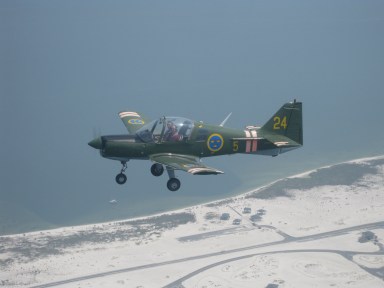
 Buying an experimental aircraft is a challenging proposition. Each one is different and documentation can be tough to find. I believe that it’s important to take a disciplined, educated approach to flying your new airplane.
In this course we’ll:
- Study pilot reports and reviews of your aircraft from aviation magazines and other literature.
- Identify trends to watch out for by reviewing NTSB accident reports.
- Discuss known flight characteristics and any aircraft performance/limitation documentation available.
- Review normal and emergency checklists, or write our own if you don’t have any.
- Conduct a detailed inspection of your aircraft, identifying good and bad points of workmanship, as well as best practices for care and feeding. We’ll also discuss cockpit/crew resource management issues specific to your airplane.
- Most important: we’ll go fly! We’ll practice all of the normal procedures and cockpit management we discussed earlier. We’ll do some basic flying to get comfortable, then we’ll explore the performance envelope so that you know what your aircraft is capable of. We’ll also simulate some system failures to help you practice dealing with challenging situations. If your aircraft is IFR capable, we’ll practice some single-pilot instrument approaches as well.
This training normally takes at least 2 flights, but we can arrange for as much flying as you want to get comfortable. Your insurance company may also require you to log a few more hours with a CFI before flying it on your own.
Although this is serious training, I believe that we aren’t doing it right unless we’re having fun at it. My goal is for you to enjoy the process of getting comfortable and competent at flying your aircraft.
Use this contact form to tell me about your airplane and the type of training you’re looking for.
 Hydroplane Aerospace